World Water Day: how to save water in your pool with salt chlorination
17 March, 2026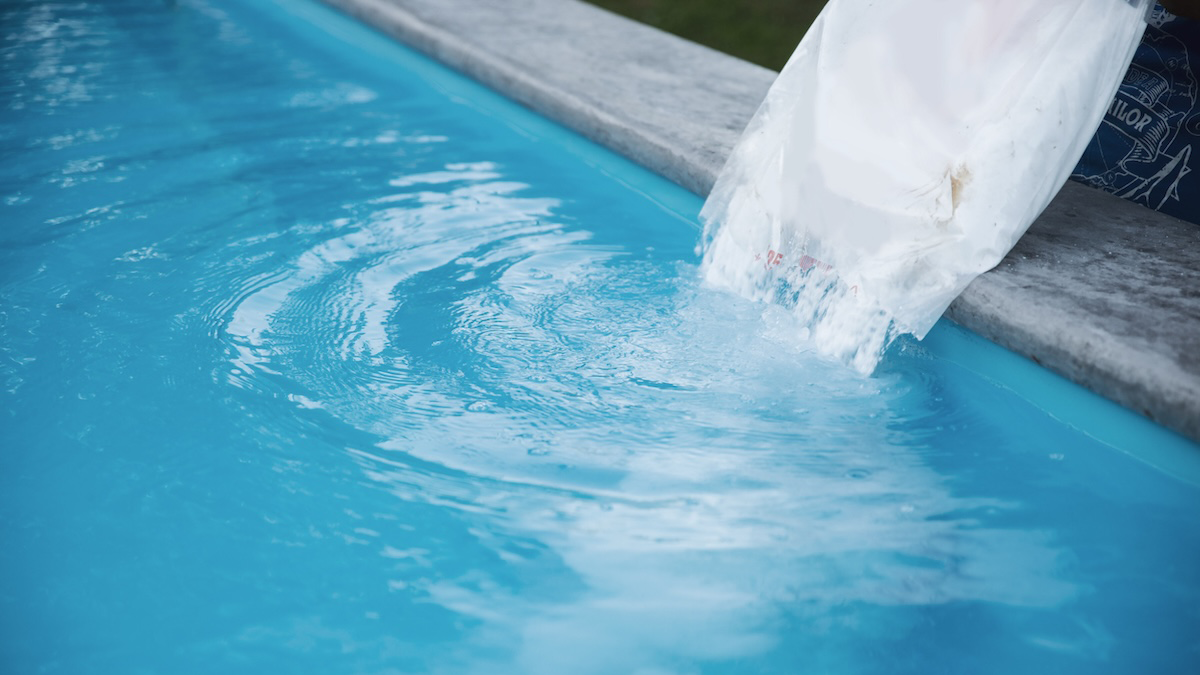
Saltwater pools have become one of the best options for those seeking a more natural, comfortable, and healthier swimming experience. Thanks to salt chlorination systems, pool water can be effectively disinfected while significantly reducing the need for traditional chemical products.
What is a saltwater pool?
A saltwater pool uses dissolved salt in the water (at a low concentration, depending on the manufacturer) to automatically generate chlorine through a process known as salt electrolysis. This system converts salt into a natural disinfectant that eliminates bacteria, algae, and other microorganisms.
Unlike conventional pools, there is no need to manually add chemical chlorine, which greatly improves water quality and the overall swimming experience.
How does salt chlorination work?
The system is based on three main components:
- Salt in the water (approx. 4–6 g/l, far lower than seawater)
- Electrolysis cell
- Pool filtration system
As water passes through the cell, the salt (NaCl) is broken down, generating active chlorine. After disinfecting the pool water, it reverts back into salt, creating a continuous, natural, and highly efficient cycle.
Benefits of saltwater pools
1. Healthier and more comfortable water
- Less irritation to eyes and skin
- No strong chlorine smell
- Softer water feel
This makes saltwater pools ideal for children and people with sensitive skin.
2. Effective and consistent disinfection
The system automatically produces chlorine in a controlled way, maintaining stable levels and avoiding peaks or deficiencies.
3. Reduced use of chemicals
Although chlorine is still present, it is generated naturally, minimizing the need to handle harsh chemical products.
4. Easier maintenance
- Fewer manual interventions
- Greater water stability
- Full automation possible through control, dosing, and smart home systems
5. Sustainability
- Lower environmental impact
- Reduced packaging and transport of chemicals
- More efficient use of resources

Swimming on a saltwater pool
Swimming in a saltwater pool: is it really chlorine-free?
Not exactly. Saltwater pools do contain chlorine, but it is produced naturally and maintained at more stable and controlled levels. The key difference lies in the higher water quality and the absence of irritating by-products commonly associated with poorly managed traditional chlorine systems.
Key considerations
While saltwater pools offer many advantages, it is important to consider:
- Higher initial investment (electrolysis equipment)
- Regular monitoring of salt levels (NOTE: Innowater systems perform this automatically and alert when levels are low)
- Maintenance of the cell (cleaning and replacement)
- Material compatibility to prevent corrosion
Saltwater pools and health
Salt chlorination systems are considered a healthier option because they:
- Reduce chloramines, which cause odor and irritation
- Maintain more balanced water
- Lower the risk of allergic reactions
Integration with other systems
To further enhance water quality, salt chlorination can be combined with:
- Ultraviolet (UV) systems
- Ozone treatments
- Advanced filtration systems
This combination allows for a next-generation healthy pool experience.
Conclusion
Saltwater pools represent the perfect balance between technology, health, and sustainability. With salt chlorination, you can enjoy crystal-clear, soft, and safe water, along with easier maintenance and a superior swimming experience.
If you are looking for a modern, efficient, and environmentally friendly pool, a saltwater pool is undoubtedly one of the best choices available today.
Do not hesitate to contact us to enjoy your saltwater pool.